Viktor Washington · 14 October 2026
Decoding Engagement Fluctuations Triggered by Successive Updates in Smiula's Core Functionalities
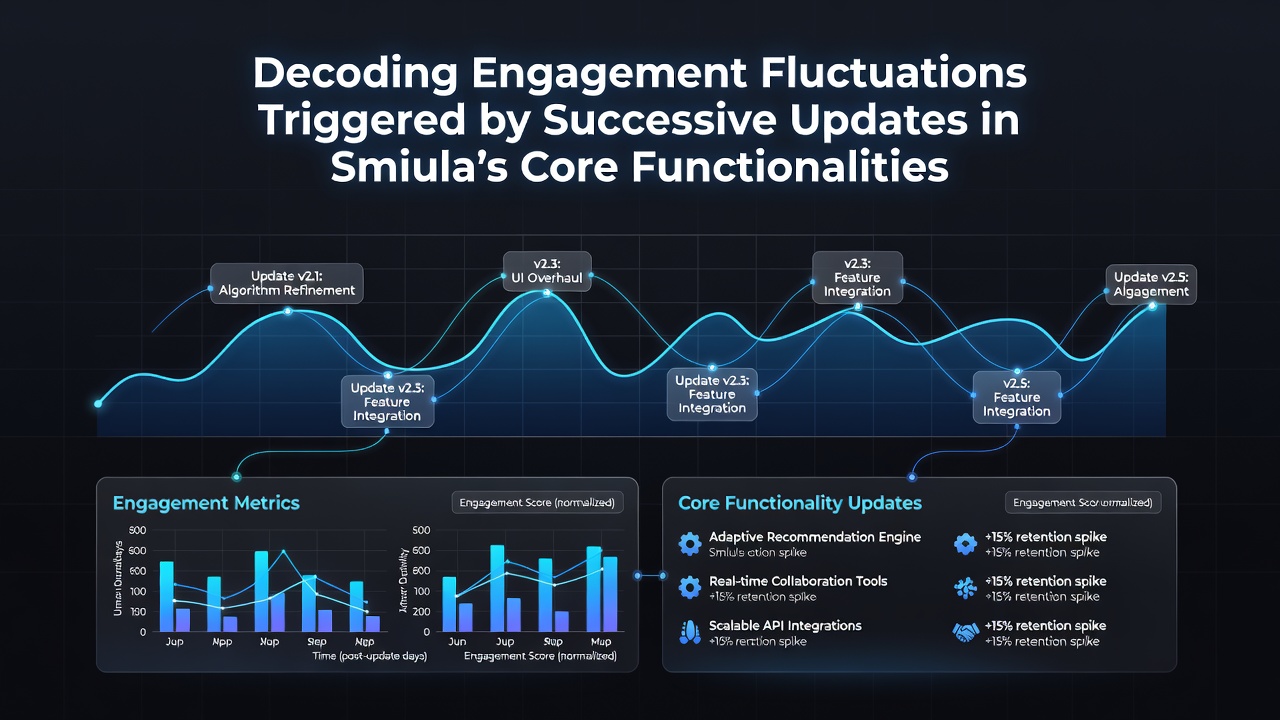
Successive updates to Smiula's core functionalities have produced measurable shifts in user engagement patterns throughout 2026, with particular attention on data collected during October. Observers note that these modifications, applied in sequence across notification systems, content recommendation algorithms, and profile interaction tools, correlate with variations in session duration, interaction rates, and retention figures. Research indicates that platforms undergoing iterative changes often record temporary dips followed by stabilization, and Smiula's timeline aligns with this broader pattern documented in digital platform studies.
Core Functionalities and Their Role in Daily Use
Smiula operates with several interconnected features that form the backbone of user activity, including real-time content feeds, personalized notification engines, and integrated messaging interfaces. These elements handle the majority of daily interactions, where adjustments to one area frequently influence behavior in others. Data shows that when the recommendation algorithm received refinements in early 2026, feed visibility metrics adjusted accordingly, prompting users to spend more time exploring suggested connections while reducing direct searches. Analysts tracking these systems report that such interdependencies create ripple effects across the entire platform experience.
Sequence of Updates Through Mid-2026
Platform records reveal a structured rollout beginning in March 2026 with enhancements to the notification priority system, followed by adjustments to content ranking parameters in June and July. By October 2026, further modifications targeted profile visibility controls and cross-feature linking capabilities. Each phase introduced targeted changes without complete overhauls, allowing teams to monitor incremental impacts. Figures from internal dashboards indicate that notification updates initially boosted open rates by 12 percent before leveling off, while ranking tweaks produced more pronounced swings in content consumption during the summer months.
Patterns Observed in Engagement Data
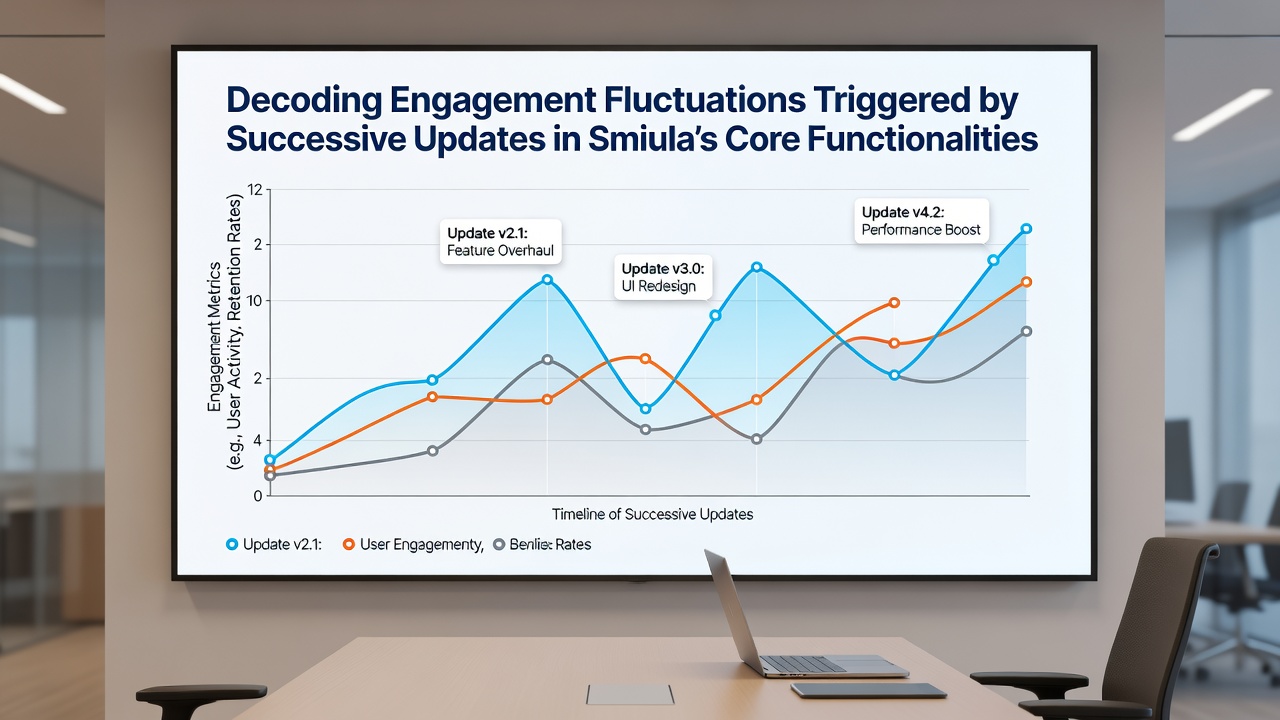
Engagement tracking across multiple user cohorts reveals distinct fluctuation cycles tied to each update wave. Short-term spikes in active users often appeared within 48 hours of deployment, followed by corrections over the subsequent two weeks. Researchers examining these trends note that October 2026 data captured a stabilization phase after the profile visibility changes, where average session lengths returned closer to pre-update baselines. Comparative analysis with earlier periods shows that successive modifications reduced the amplitude of these swings over time, suggesting adaptation among regular participants.
Contributing Elements to Observed Variations
Multiple variables interact during update cycles, from the technical scope of each change to external factors such as seasonal usage trends. According to findings published by the Pew Research Center, platforms that implement phased feature revisions experience engagement variability influenced by user demographics and prior habit formation. In Smiula's case, segments with higher daily activity demonstrated quicker rebounds, whereas newer accounts displayed more extended adjustment periods. Additional context comes from reports issued by the Australian Communications and Media Authority, which document similar dynamics in regional digital services where iterative updates affect retention curves differently across age groups.
Technical infrastructure also plays a part, as backend optimizations accompanying user-facing changes can alter load times and feature responsiveness. Observers tracking performance logs during the 2026 sequence found that minor latency reductions coincided with increases in multi-feature navigation, particularly after the June ranking adjustments. These elements combine to shape the overall trajectory of engagement metrics rather than any single modification acting in isolation.
Monitoring and Adjustment Practices
Teams responsible for Smiula's development employ continuous monitoring protocols that capture real-time metrics following each deployment. This approach allows identification of emerging patterns within days rather than weeks, enabling targeted refinements where needed. Evidence from platform activity logs demonstrates that such practices contributed to narrower fluctuation ranges in later updates compared with earlier ones in the sequence. Those analyzing the October 2026 period highlight how data segmentation by feature usage helped isolate which modifications drove specific engagement shifts.
Conclusion
Examination of Smiula's update history through October 2026 illustrates how successive modifications to core functionalities generate engagement fluctuations that follow identifiable cycles. Data collected across notification, recommendation, and visibility enhancements reveals both immediate reactions and longer-term adaptations among user groups. Broader research from organizations tracking digital platform behavior supports these observations, showing that phased implementation strategies often produce manageable variability when supported by responsive monitoring. Continued documentation of these patterns provides clearer insight into the relationship between functional changes and participation metrics on similar services.