Kai Koch · 30 September 2026
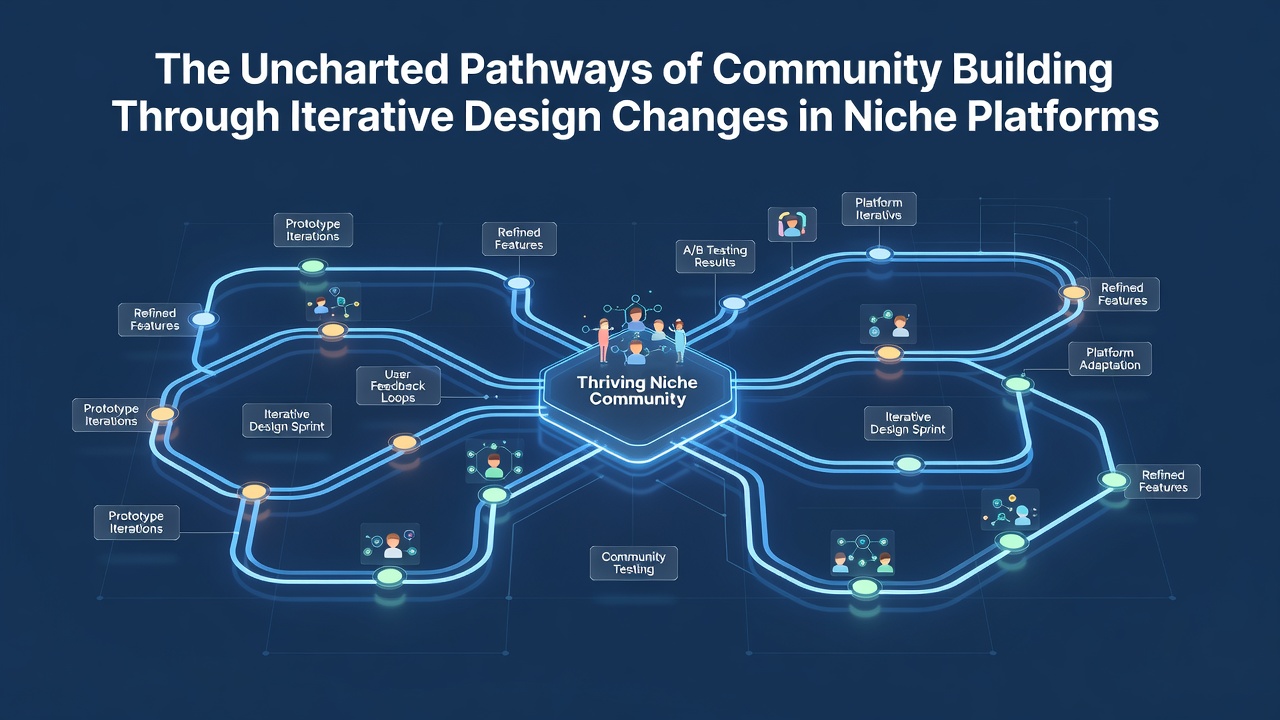
The Uncharted Pathways of Community Building Through Iterative Design Changes in Niche Platforms
Platform operators in specialized online spaces have refined features through repeated small adjustments rather than wholesale overhauls, and these shifts create conditions where members form tighter bonds over time because the changes respond directly to observed usage patterns. Data from multiple studies show that such incremental modifications sustain engagement levels higher than abrupt redesigns, while members adapt at their own pace without feeling displaced from familiar workflows.
Core Mechanisms Behind Gradual Refinements
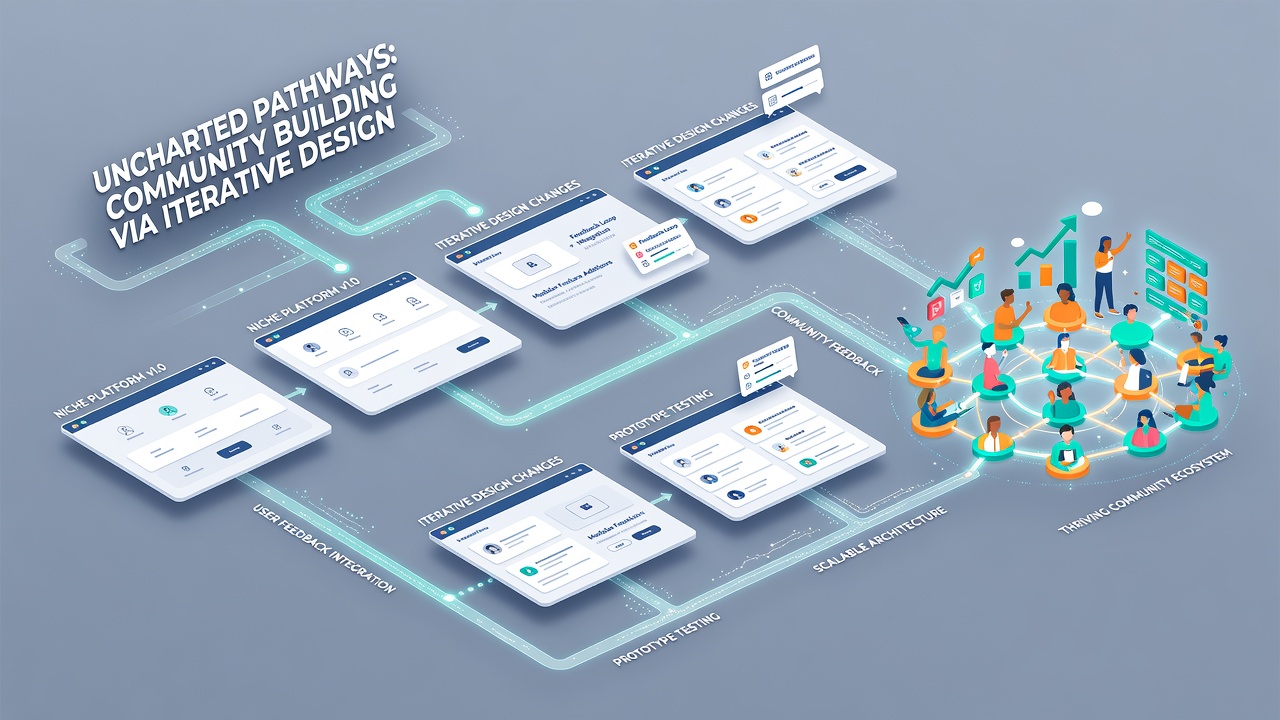
Design teams track metrics like dwell time and thread completion rates before introducing tweaks to navigation menus or notification systems, and researchers note that these targeted updates often lead to increased cross-posting between subgroups within the same platform. Observers have documented cases where altering comment threading from linear to nested formats coincided with a measurable rise in reply chains that spanned multiple days, which in turn strengthened recurring participation from core contributors. Evidence indicates that platforms operating in hobbyist or professional niches benefit most when they roll out one or two modifications per quarter instead of clustering changes into larger releases.
Feedback loops play a central role because users submit suggestions through built-in forms that feed directly into the next iteration cycle, and studies reveal higher retention when those suggestions appear in changelog entries that credit the originating member. This transparency reinforces a sense of ownership among participants who see their input reflected in subsequent versions.
Patterns Observed Across Different Niches
Specialized discussion boards for open-source hardware enthusiasts implemented color-coded status indicators for project threads in mid-2025, and subsequent analysis found that reply volume per thread rose by 18 percent within three months according to internal platform logs. Similar adjustments on language-learning exchange sites involved adding pronunciation playback buttons next to user-generated audio samples, which correlated wth extended session lengths reported by third-party analytics firms. Those who've examined longitudinal user data across these environments note that the common thread remains the deliberate pacing of changes that preserve existing content hierarchies while introducing new interaction points.
September 2026 brought further examples when several regional hobby networks updated their search filters to surface older threads alongside new posts, and traffic reports showed returning visitors increasing their daily active minutes by an average of 12 percent. Academic researchers tracking these platforms have pointed out that the modifications succeeded because they addressed discoverability bottlenecks identified in earlier user surveys rather than imposing new content categories from above.
Supporting Data and External Benchmarks
Figures compiled by Pew Research Center illustrate that members of niche forums report stronger feelings of belonging when platforms evolve interface elements gradually over successive months. A separate analysis released by the Canadian Internet Registration Authority documented comparable patterns in Canadian-based hobby sites where iterative updates to profile customization tools preceded sustained growth in private message exchanges between members. These datasets emphasize measurable behavioral shifts without attributing causation to any single design choice.
Industry reports from the Interactive Software Federation of Europe further indicate that smaller platforms maintaining public roadmaps for upcoming changes experience lower churn rates during update periods compared with those that keep development plans internal. The pattern holds across geographic regions because users receive advance notice that allows them to prepare for interface adjustments.
Conclusion
Iterative design changes in niche platforms continue to shape community structures through documented pathways that prioritize measured adaptation and member input integration. Records from 2025 and 2026 demonstrate consistent correlations between paced refinements and elevated participation metrics, and ongoing research tracks how these dynamics unfold in emerging specialized spaces. Platforms that maintain transparent update cycles and respond to usage data sustain environments where subgroups develop independently while remaining connected to the larger network.